 The Silfra Snorkeling
Silfra Snorkeling in Winter: The Complete Picture
Why tours run in winter
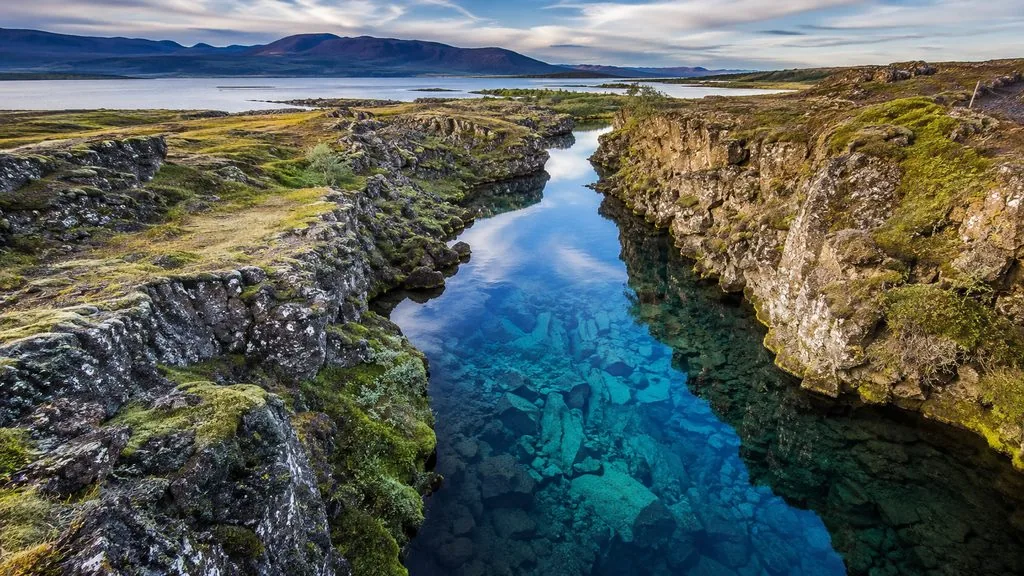
Silfra is a flooded fissure fed by glacial meltwater that stays at 2 to 4 degrees Celsius year-round. The water does not freeze because it is too deep and always moving. The tours operate every month. In winter you get snow on the rift walls, frozen ground around the meeting point, and often northern lights in the afternoon.
The honest winter experience
Sophie from the UK did the lava tunnel combo in a snowstorm. She called it "Silfra in a snowstorm" and loved it. But she also noted the snow scenery. That is what winter adds: drama, photography, the full dour Icelandic experience. Holly from the Golden Circle tour was there in minus-8 degrees and windy. She said if you are sensitive to cold, this will test you. She was being honest about the air cold, not the water cold. The water is the same; the air is brutal.
Summer versus winter
In summer (June to August) the air is in the mid-50s Fahrenheit, daylight lasts until after 11 p.m., and you can book midnight-sun tours. Stepping out of the water is cold but not shocking; the drying-off process is faster.
In winter (November to February) the air is minus-8 or colder, dark by 4 p.m., and you have a real chance at northern lights if you book an afternoon or early evening tour. Stepping out of the water is a shock; you go from cold-but-okay to freezing-cold very fast. But the scenery is extraordinary.
What to expect
The drysuit, hood, and gloves do the same job in January as they do in July. Your core stays warm; your face and hands are cold. The difference is that when you climb out of the water in winter, the air is so cold that your body gets shocked again. The guides are used to this and hand you towels and help you get dry fast. Dress in thick base layers, bring a change of warm dry clothes, and have a warm drink ready for after.
Winter tours are spectacular if you want the full Iceland experience — snow, dark, the rift carved into winter landscape. But do not book winter if you are already nervous about cold. Book summer (May to September) if the air temperature matters to you. The water is the same; only the air changes.
Book a winter tour with Reykjavik pickup
The most direct way to float between two continents is a guided tour — a live guide, all gear included, and the fissure in its full clarity, with free cancellation.
Frequently asked questions
Is the water colder in winter?
No, it is 2–4°C every month. What changes is the air temperature (minus-8 or lower in winter vs. mid-50s in summer). The shock of stepping out of the water is much more intense in winter.
Can you see the northern lights during a Silfra tour?
Yes, if you book an afternoon or early evening tour in winter (September to March) and the lights are active. It is never guaranteed, but afternoon tours have the best window.
Is winter a good time to go?
Yes, if you like snow, dark scenery, and the full dour Iceland experience. No, if you are already cold-sensitive or nervous about the cold. Book summer if you want milder air and easier conditions.