 The Silfra Snorkeling
How Cold Is the Water at Silfra?
The water temperature
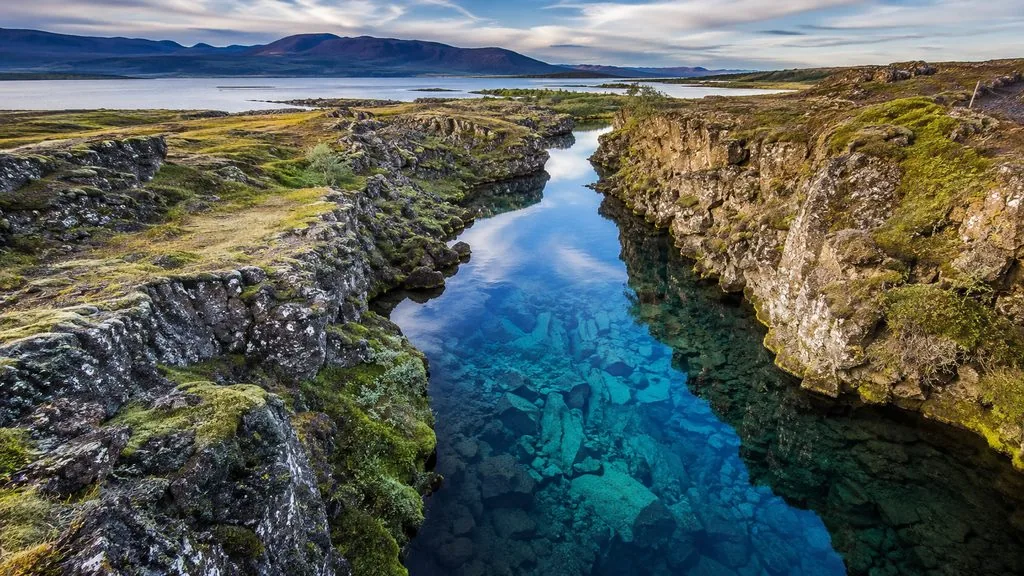
Silfra is filled with glacial meltwater originating at the Langjökull ice cap, filtered through lava rock for 30 to 100 years. That filtration keeps the water clean and consistently cold — 2 to 4 degrees Celsius every month of the year. It does not freeze because the fissure is too deep and the water is always moving.
What the drysuit does and does not do
The drysuit is a thick rubber layer that traps air around your body. You wear thermal base layers and a warm undersuit underneath. Your core — your chest, back, legs — stays warm and does not feel the cold water at all. That is the point of the suit. Your face and hands do not get that protection. Your hands are in gloves but the gloves are thin enough that you feel the water. Your face is exposed, and yes, that is cold.
Tashinga from the UK said "It’s warmer in the water" — and that is true. The initial shock when you step into the water is real, but once you are moving and your body is in the suit, the water feels less cold than standing on the platform in Iceland wind. Hannah from the pickup tour said the cold did get tough, mostly on her face and hands. That is honest reporting.
How guides manage it
Groups are small (one guide per six snorkelers maximum) and guides watch for signs of cold stress. If someone is struggling, the guide pulls them out, wraps them up, and you move to the next phase of the tour. A 30- to 40-minute float is also not as long as it sounds once you count suiting up, walking to the entry point, and the actual time in the fissure. By the time you have been in the water for 15 minutes and your body has adapted, most people report the cold stops being the main thing they are thinking about.
Winter versus summer
The water temperature does not change. January and July are both 2 to 4 degrees Celsius. What changes is the air temperature and the daylight. In winter you might step out of the water into snow and minus-8 degrees, which makes the cold more shocking. In summer you step out into mid-50s and dry, fast daylight. But the water itself is the same.
Check tour dates and availability
The most direct way to float between two continents is a guided tour — a live guide, all gear included, and the fissure in its full clarity, with free cancellation.
Why people still come back
You are floating in water that is cleaner than drinking water, with visibility over 100 metres, between two tectonic plates. The cold is real and it is part of the deal, but it is also brief and manageable with the right gear. Most people who have done it say the experience is worth the cold, and the ratings (4.5–4.9) bear that out.
Frequently asked questions
Will I get really cold?
Your core will not; your drysuit prevents that. Your face and hands will be at water temperature (2–4°C). Most people adapt within 5–10 minutes. If you are extremely sensitive to cold, tell your guide when you start; they watch for signs of stress and will shorten your time in the water if needed.
Is the water colder in winter?
No, it is 2–4°C every month. Winter adds wind, snow, and minus-8 degree air, which makes the shock worse. Summer is milder air but the water temperature is identical.
Do I need a wetsuit under the drysuit?
No. You wear thermal base layers (long underwear, thick wool socks) under the drysuit. A wetsuit is redundant and makes it harder to move in the drysuit.